
Navigate evolving threats and requirements impacting medtech cybersecurity to protect your organization.
AdvaMed® Cybersecurity Summit
November 10, 2026
9:00 AM – 6:30 PM
AdvaMed® Cybersecurity Summit
November 10, 2026
9:00 AM – 6:30 PM
As health care systems become more connected, medtech leaders are navigating increasingly complex risks that demand practical strategy, cross-functional coordination, and quick execution. The AdvaMed® Cybersecurity Summit, November 10 in Washington, D.C., is designed for cybersecurity professionals navigating these critical issues. AdvaMed’s interactive program moves beyond foundational concepts to focus on how cybersecurity is operationalized in practice—where risk, regulation, and rapidly evolving threats converge.
Throughout the Summit, attendees will hear from experts across industry and government, offering critical perspectives on emerging threats and real-challenges shaping medtech. Close out your Summit experience with our high-impact networking reception designed to create candid conversations and meaningful connections that extend beyond the event.
Register now to begin preparing your cybersecurity roadmap to better protect your organization. View the Summit attendee list to see who’re already confirmed to be in the room.
Why Attend
AdvaMed’s Cybersecurity Summit is designed for experienced cybersecurity professionals looking to move beyond theory and into real-world application. The 2026 program will deliver practical insights into today’s most complex and evolving challenges, with a focus on how cybersecurity strategies are implemented, operationalized, and sustained in practice across health care and medtech environments.
Attendees will Gain
- Insights into emerging cyber threats and regulatory updates
- Strategies to strengthen cybersecurity programs across their products lifecycle
Who Should Attend
This program is designed for cybersecurity leaders across responsible for shaping and executing cyber strategy, including:
- Medtech cybersecurity experts
- Engineers, security professionals, and IT leaders in medtech
- Risk management leaders
- Chief Information Security Officers
The 2025 Summit Covered
- Cross-sector collaboration models for addressing shared cyber threats
- Evolving FDA cybersecurity framework, including considerations for AI/ML-enabled medical devices
- Medical device end-of-life and end-of-support cybersecurity planning and risk management
- Building a culture of security across organizations, emphasizing executive leadership, cross-functional accountability, and embedding cybersecurity into product development and business operations
- Global regulatory developments shaping cybersecurity policy
- Frontline perspectives from health care delivery organizations on device security, operational impact, and incident response expectations
Agenda
Built around the issues shaping today’s cyber landscape, the 2026 agenda delivers timely discussions on evolving threats, regulatory developments, product security, incident response, and public-private collaboration. Explore the sessions below to see what’s in store at this year’s Summit.
*Agenda as of 9/3/2026
| Start Time | Topic/Details All Sessions Will Be Interactive Throughout |
|---|---|
| 8:15 am – 9:00 am | Continental Breakfast and Registration Open |
| 9:00 am – 9:05 am | Welcome Remarks |
| 9:05 am – 10:05 am | From the FDA – Premarket Cybersecurity Expectations and Submission Deficiencies FDA leaders share perspectives directly with medical device manufacturers on the state of cybersecurity in premarket submissions. This session provides an open forum for FDA to highlight current areas of focus, common submission deficiencies, and emerging expectations, with time reserved for Q&A. Speaker: Justin Post, Policy Analyst (Cybersecurity), Center for Devices and Radiological Health (CDRH), FDA |
| 10:10 am – 11:10 am | One Product, Many Markets – Navigating EU and APAC Cybersecurity Challenges U.S.-based manufacturers navigating global markets face cybersecurity regulatory requirements that diverge from FDA expectations. This session examines the EU framework (including the Cyber Resilience Act and NIS2 Directive alongside EU MDR) and key Asia Pacific jurisdictions, comparing agency priorities, identifying where requirements conflict or align, and highlighting emerging developments including the IMDRF cybersecurity work item led by Singapore’s Health Sciences Authority. Speakers will address common pitfalls and practical strategies for achieving global compliance without duplicative controls. Moderator: Chris Reed, Senior Director of Cybersecurity Policy, Global Regulatory Affairs, Medtronic Speakers: – Manan Hathi, Sr. Manager, Regulatory Policy – Global Digital, Stryker – Ben Kokx, Director Standardization Product Security, Philips |
| 11:15 am – 12:15 pm | Submission Stories – How Manufacturers Are Navigating the New Premarket Cybersecurity Landscape The premarket cybersecurity landscape has shifted in recent years, and manufacturers are navigating those changes in real time. This panel brings together industry representatives to share experiences, good and bad, with the submission process. Panelists will offer accounts of how regulatory expectations are playing out in practice. The result is a session built around the ongoing submission friction points MDMs experience. Moderator: Michelle Jump, CEO, MedSec Speakers: – Dan Lyon, Global Director of Product Security, Boston Scientific – Dewey Phan, Director of Cybersecurity Quality Assurance, Olympus |
| 11:45 am – 1:00 pm | Networking Lunch |
| 1:00 pm – 1:55 pm | False Claims, Real Consequences – Cybersecurity Liability and the Civil Cyber-Fraud Initiative An emerging legal theory is gaining traction in regulatory and enforcement circles: medical device manufacturers may face exposure under the False Claims Act where they make false or misleading cybersecurity-related representations (whether in regulatory submissions, government contracts, or certifications) and subsequently seek or cause federal reimbursement for devices with material cybersecurity deficiencies. This session examines the legal framework behind that theory, recent enforcement actions, what the DOJ’s Civil Cyber-Fraud Initiative posture suggests about where liability risk is heading, and how cybersecurity teams can engage with legal to mitigate risk. Moderator: Jessica Wilkerson, Technical Lead, Cybersecurity – Quality Partnering and Digital Controls Team, Roche Speakers: – Kennedy Luvai, Senior Data & Privacy Counsel, bioMérieux – Christopher Terranova, Assistant Director, U.S. Department of Justice, Commercial Litigation Branch, Fraud Section, DOJ |
| 2:00 pm – 3:00 pm | The Clinical Side – How Health Systems Manage Medical Device Cybersecurity Health systems are managing legacy devices, compressed patching cycles, and procurement decisions increasingly shaped by cybersecurity posture with finite staff and competing clinical priorities. This panel of HDO representatives examines the operational reality behind the receiving end of the manufacturer-HDO relationship: how health systems process and act on security alerts and advisories, how cybersecurity factors into procurement decisions, how OTA updates are evaluated and managed at scale, and where SBOM ingestion stands in practice. Speaker: – Erik Decker, CISO, Intermountain Health |
| 3:00 pm – 3:15 pm | Break |
| 3:15 pm – 4:30 pm | After a Breach – Incident Response, Public Disclosure, and Multi-Party Coordination Ransomware gangs and hacktivist groups have shown both the capability and willingness to target healthcare infrastructure. When an intrusion hits, a manufacturer’s technical response is only part of the problem. The harder challenge is what follows: providing credible, trusted assurance to patients, hospital customers, and regulators. This session explores incident handling lessons learned from real-world intrusions, including decision-making for notification, CISA and law enforcement coordination, public disclosure, stakeholder communications, and managing multi-party vulnerability coordination. The focus is on the decisions manufacturers may face and how to prepare for them ahead of a breach. Moderator: Erin Bissonnette, Sr. Principal Specialist, Division Quality, Stryker Speakers: – Zach Dayton, Consulting Director, Palo Alto Networks, Inc. – Dan Lyon, Global Director of Product Security, Boston Scientific – Chris Reed, Senior Director of Cybersecurity Policy, Global Regulatory Affairs, Medtronic |
| 4:30 pm – 4:45 pm | Closing Remarks |
| 4:45 pm – 6:30 pm | Networking Reception |
Speakers
The AdvaMed® Cybersecurity Summit features an exceptional lineup of cybersecurity leaders from across industry, government, and health care. Explore the 2026 lineup below and learn from the experts driving the future of medtech cybersecurity.
Erin Bissonnette, Sr. Principal Specialist, Division Quality, Stryker

Erin Bissonnette brings over two decades of experience in the pharmaceutical and medical device industries, with the last 7 years dedicated to advancing product security in med devices. Most recently, Erin led a transformative initiative to remediate years of accumulated cyber debt in just 12 months. In the session “Strategizing for End of Support,” Erin will candidly share insights from that journey: expect real talk, hard-won lessons, and practical tips for anyone facing down technical debt in their own organization.
Erik Decker, Vice President and Chief Information Security Officer (CISO), Intermountain Health

Erik Decker is the Vice President and Chief Information Security Officer (CISO) for Intermountain Health, a multi-state integrated delivery network based in Salt Lake City, Utah. Erik has 26 years
of experience in Information Technology, with 19 years focused on Information Security.
He recently served as the Chairman for the Healthcare Sector Coordinating Council’s Joint Cybersecurity Working Group, which is a critical infrastructure public-private partnership organization covering more than 450 organizations and nearly 1,000 members. He co-authored the HHS released publication titled “Health Industry Cybersecurity Practices: Managing Threats and Protecting Patients” (HICP), co-author of the HHS 405(d) Hospital Resiliency Landscape
Analysis publication, released in 2023, and the HPH Cybersecurity Performance Goals released in 2024. These products have been embedded in HITECH under Public Law 116-321
Michelle Jump, CEO, MedSec

Michelle Jump is the CEO at MedSec, where she is responsible for providing strategic leadership, training and advisory services to the medical device industry in the area of cybersecurity compliance, global regulations, standards, product security program development, and security risk management. Ms. Jump has a passion for bringing technology-based solutions to healthcare, actively participating in a variety of domestic and international standards, as well as relevant industry and governmental initiatives to support security within the healthcare industry.
Ms. Jump holds a Master of Science in Regulatory Science from the University of Southern California and a Master of Science in Biotechnology from California State University. She is also RAC certified and a Certified HIPAA Administrator.
Ben Kokx, Director Standardization Product Security, Philips

Ben is a healthcare and IoT cybersecurity expert who actively leads and contributes to numerous industry associations, standards development organizations, and public-private partnerships at the European and international levels. He holds leadership roles in the cybersecurity focus groups of MedTech Europe and COCIR and is also a member of the ENISA Advisory Group.
At Philips, Ben brings more than 20 years of product security experience, ranging from serving as a product security and privacy officer for one of the X-ray business units to leading Philips’ global Product Security Policy and Process Framework for more than a decade. He is currently focused on regulatory and standards activities, dedicating most of his time to convening CEN/CENELEC working groups that are developing harmonized standards for the Cyber Resilience Act, alongside continued work on healthcare-related international standards and various public-private and industry working groups.
Manan Hathi, Global Leader, Digital Health Regulatory Policy, Stryker

Manan Hathi is a distinguished Global Leader of Digital Health Regulatory Policy at Stryker, where he leads the company’s global strategy for software and digital health regulatory policy. With over two decades of expertise in the Medical Device industry, Mr. Hathi has played pivotal roles in Research, Product Development, and Regulatory Affairs, specializing extensively in software-based medical devices.
Mr. Hathi plays an active role in various trade associations globally, namely AdvaMed, APACMed and Medtech Europe. He has established himself as a key contributor in shaping and influencing global regulatory frameworks on digital health and cybersecurity topics globally. In addition to his core responsibilities, Mr. Hathi is the software regulatory lead on Stryker’s corporate product security core team, playing a critical role in shaping and overseeing product security policies and procedures. His leadership extends beyond Stryker as he serves as a key thought leader in AdvaMed, ApacMed and MedTech Europe.
Highly regarded as a thought leader, Mr. Hathi is frequently invited to speak at national and international
conferences and webinars, where he shares insights into digital health regulatory frameworks and product security. He holds a Master of Science in Biomedical Engineering and is Regulatory Affairs Certified (RAC-US) by the Regulatory Affairs Professional Society (RAPS).
Kennedy Luvai, Senior Data & Privacy Counsel, bioMérieux

Kennedy advises on cybersecurity, privacy, and data-related legal issues impacting connected medical devices and digital health solutions as part of the legal team at bioMérieux. His work spans enterprise and product security, data protection and stewardship, incident response, and risk management. He collaborates closely with legal, cybersecurity, product, service, and various other U.S. and global teams to address evolving cybersecurity and data protection challenges across the medical device and digital solutions portfolio.
Prior to attending law school, Kennedy earned an undergraduate degree in computer science and also worked as a software developer. He holds industry certifications in cybersecurity and data protection, including CISSP, CIPP/US, and CIPP/E.
Dan Lyon, Global Director of Product Security, Boston Scientific

Dan Lyon, Global Director of Product Security, Boston Scientific
An accomplished leader and engineer specialized in the cybersecurity of medical devices, Dan’s background includes software, system and security engineering for the Internet of Medical Things starting before IoT was a buzzword. He has experience in building Product Security Programs by assessing organizations, changing cultures, developing processes, and training engineers. Dan has worked on the full ecosystem of modern medical products, including implanted devices, wearable devices, clinician instruments, surgical systems, mobile and web applications, and cloud services. He also has contributed to standards and guidance for medical devices and healthcare as well as for automotive, aerospace, and consumer technology industries through organizations such as AAMI, MDIC, H-ISAC, IEEE, and CTA.
Dewey Phan, Director of Cybersecurity Quality Assurance, Olympus

Dewey Phan is the Director of Quality Assurance for Cybersecurity at Olympus corporation, where he leads a global Cybersecurity Design Assurance team to partner with and enable R&D teams and other functions to deliver safe and secure products. He sponsors and champions the creation and implementation of Secure by Design QMS fully integrated in Design Control, Medical Device Software Development, and post-market surveillance process. Dewey has a track record of fostering design for security right the first time and solving complex problems raised from 510k submission AIR involving legacy cyber devices. He has over 30 years of experience in technical and leadership roles in R&D, Regulatory and Quality functions in the medical device industry.
Throughout his career, he has worked closely with R&D, RA, Marketing, and Legal to drive quality-first cultures, strengthen compliance and governance programs, and improve operational excellence. He is passionate about helping organizations strengthen resilience, improve customer trust, and achieve measurable business outcomes through quality and security excellence. He received a BS in Biomedical Engineering from Boston University and an MBA from Rutgers University. Dewey Phan is based in New Jersey.
Chris Reed, Senior Director of Cybersecurity Policy, Global Regulatory Affairs, Medtronic
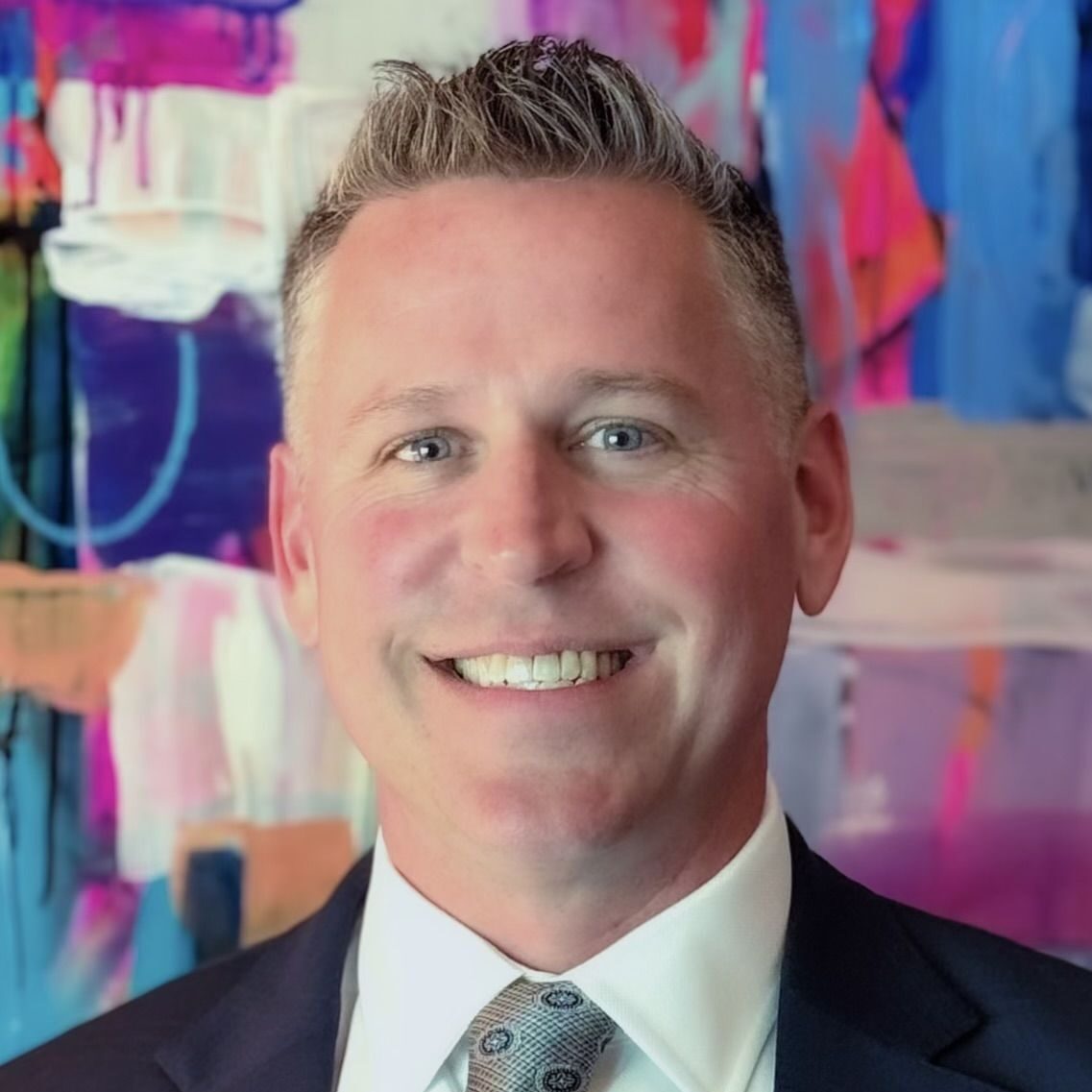
An active leader supporting Medtronic’s product security programs and reports to Medtronic’s Chief Regulatory Officer. Advise product teams on cybersecurity regulatory strategy and working on key regulatory legislation/guidance/standards such as FD&C 524B. Also spent over 21 years with Eli Lilly and Company including building Lilly’s product security program supporting Digital Health including connected diabetes management products.
Actively engaged as a leader in many medical device security and digital health industry initiatives such as the Healthcare Sector Coordinating Council’s Cybersecurity Working Group Executive Committee, AdvaMed® Cybersecurity Working Group chair, MDIC Cybersecurity Working Group chair and various standards groups including the AAMI Device Security WG.
Christopher Terranova, Assistant Director, U.S. Department of Justice, Commercial Litigation Branch, Fraud Section, DOJ

Christopher Terranova is an Assistant Director at the U.S. Department of Justice, Civil Division, Commercial Litigation Branch, Fraud Section. For the past decade, Mr. Terranova has represented the United States in investigations and federal lawsuits enforcing the False Claims Act to protect taxpayer funds against fraud and abuse, including in matters involving cybersecurity and data privacy, healthcare, energy, and government contracts and grants.
Before joining the Department, Mr. Terranova was in private practice at a law firm in New York. Mr. Terranova graduated from Cornell University and New York University School of Law and clerked on the U.S. Court of Appeals for the Second Circuit.
Jessica Wilkerson, Technical Lead, Cybersecurity – Quality Partnering and Digital Controls Team, Roche
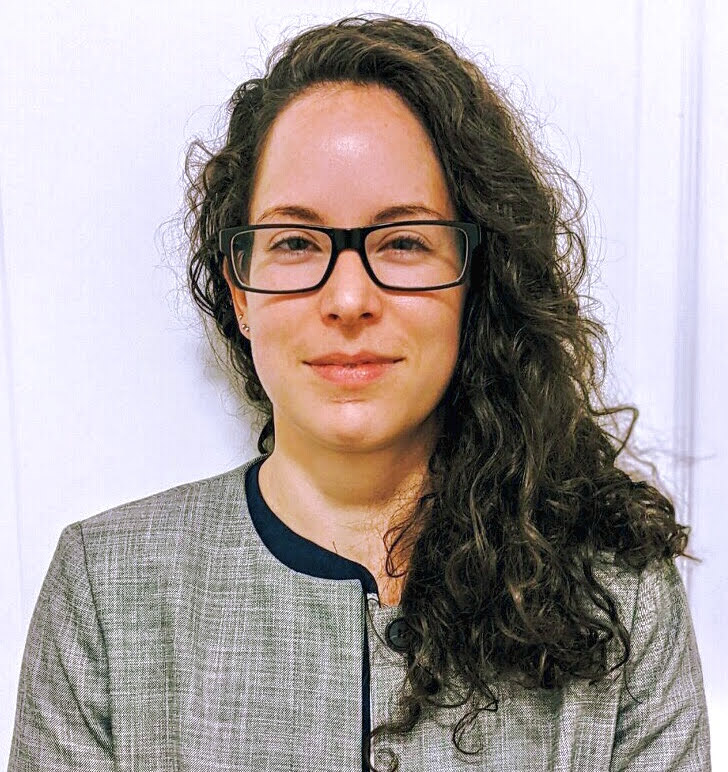
Jessica Wilkerson is a medical device cybersecurity policy expert, coming to Roche after spending over five years at the FDA as a Senior Cyber Policy Advisor and the Medical Device Cybersecurity Team Lead. At FDA, she helped draft the 2025 Premarket Cybersecurity Guidance and implement FDA’s new explicit medical device cybersecurity regulatory authorities, known as Section 524B, as well as respond to numerous medical device cybersecurity vulnerabilities and incidents. Prior to FDA, she spent five years as a staffer with the Energy and Commerce Committee in the US Congress, where she advised congressional members on complex cybersecurity topics, and investigated cybersecurity issues in the health, energy, telecommunications, and other critical infrastructure sectors. She has a JD from the Catholic University of America’s Columbus School of Law, and a BA in Policy Studies from Syracuse University, as well as minors in Computer Science and Mathematics.
Pricing
AdvaMed® members receive the best rates so check to see if your company is a member here.
- AdvaMed Accel® Member Companies: $795
- AdvaMed® Member Companies: $1,125
- Non-Members: $1.675
- Government/Academic: $800
Location
The Cybersecurity Summit reception and event will be at the Hogan Lovells office located at 555 13th St NW, Washington, DC 20004.
AdvaMed does not have an official room nlock for the Summit, but you need to secure housing, you’re welcome to book a hotel near our offices and event location. Please review a list of recommended hotels. You must contact the hotel directly to organize your stay.
Have questions? Contact us to get support.
Hear From Us
Sign up to receive emails highlighting our upcoming events, early registration savings, and engagement opportunities for the medical technology community.