
Receive expert guidance to navigate every stage of the 510(k) & De Novo, IDE, and PMA submissions pathways.
510(k) & De Novo: Tuesday, February 9 – Wednesday, February 10, 2027
IDE: Wednesday, February 17, 2027
PMA: Tuesday, February 23 – Wednesday, February 24, 2027
AdvaMed Medical Device Submissions Workshop Series
February 9, 2027 – February 28, 2027
AdvaMed Medical Device Submissions Workshop Series
February 9, 2027 – February 28, 2027
AdvaMed’s Medical Device Submissions Series connects regulatory, clinical, and product teams with FDA experts and senior industry practitioners across three separate workshops covering the 510(k) & De Novo, IDE, and PMA pathways. Each workshop combines real case studies, interactive sessions, and authoritative guidance on what it takes to get submissions right.
The series begins with the 510(k) & De Novo Workshop from February 9-10, 2027 designed for professionals across the full regulatory team. Attendees gain an in-depth look at FDA regulations, submission strategy, and the review process designed for professionals at every experience level, from first-time submitters to seasoned practitioners. The IDE Workshop on February 17 and the PMA Workshop, February 23-24 follow, providing comprehensive coverage across every major FDA premarket pathway. Whether your organization is navigating a first submission or managing an active one, each workshop delivers the same combination of FDA access, real case scenarios, and senior industry expertise.
Attend the session most relevant to your organization, or register for multiple workshops to strengthen your regulatory submissions foundational knowledge.
Register now and receive a discount for attending multiple workshops.
Why Attend
FDA’s submission requirements don’t stand still and neither can the teams responsible for navigating them. The Submissions Workshop series is built for regulatory professionals who need to move beyond the guidance documents and into practice.
The 2027 program focuses on how submission decisions actually get made by industry teams building the strategy, preparing the package, and managing the review — and by FDA staff evaluating it on the other side.
510(k) & De Novo | Tuesday, February 9 – Wednesday, February 10
FDA and industry experts will provide practical guidance on navigating the 510(k) and De Novo submission pathways. Through real-world case studies, interactive discussions, and expert insights, attendees will explore FDA regulations, submission strategies, and the review process. Designed for professionals at every experience level, from first-time submitters to seasoned regulatory practitioners, this workshop will cover:
- FDA regulations and requirements for 510(k) and De Novo submissions
- Developing an effective submission strategy
- Key components of successful submissions
- Understanding the FDA review process
- Common submission challenges and best practices for navigating them
IDE Submissions Workshop | Wednesday, February 17
FDA and industry experts will share the guidelines governing when an investigational device exemption is required. Experts will review the purpose of an IDE, share tips for making the best use of pre-submission meetings, break down the components of an IDE submission and more. This workshop will cover:
- The purpose of an IDE
- Components of a successful IDE submission
- Common errors and deficiencies in an IDE application
- Optimizing the pre-submission meeting
PMA Submissions Workshop | Tuesday, February 23 – Wednesday, February 24
Using real-world case studies, this workshop will walk you through the practical steps of filing a PMA and offer you actionable insights on how to best navigate the PMA submission process. steps required, best practices and preparation for inspection will be covered throughout this workshop. This workshop will cover:
- Management of approved PMAs
- Steps to develop a PMA submission strategy
- Preparation needed for an advisory panel meeting
- Tips to prepare for an inspection
- How to deal with unexpected clinical outcomes, animal test results and adverse panel recommendations
Meet the industry and FDA leaders who will guide you through the FDA submissions process.
Jhumur Banik, CDRH Team Lead, FDA
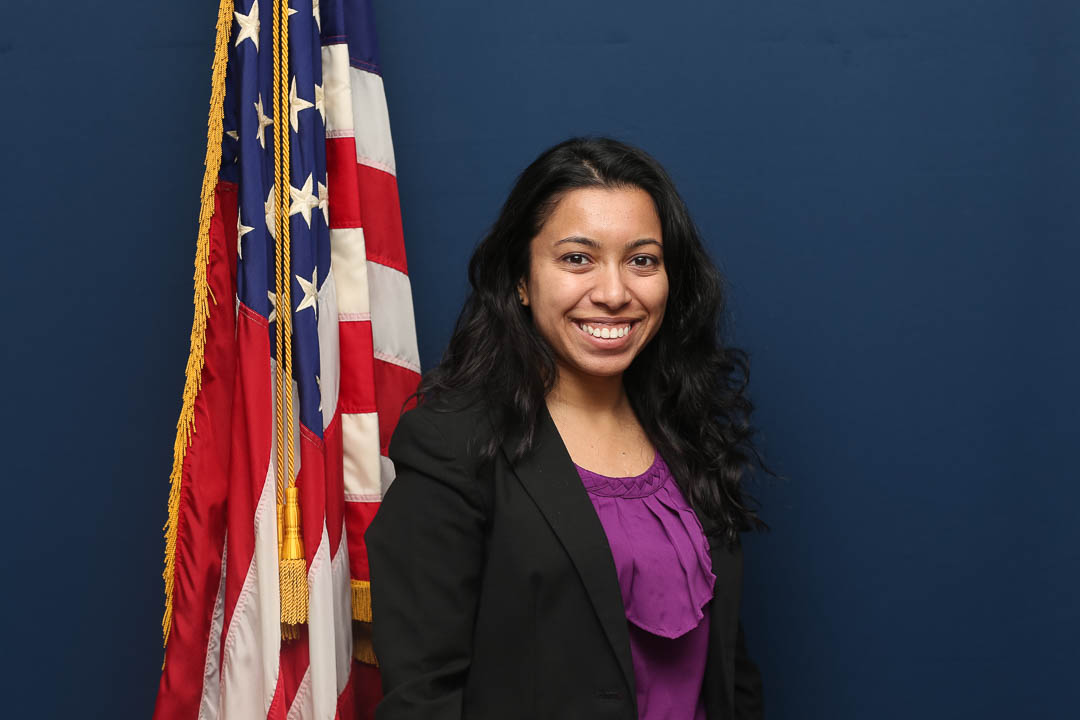
Jhumur Banik, MS, PMP is a Policy Analyst with the PMA, HDE, Q-Submission and Device Tracking Lifecyle (PHQ) Team in the Division of Submission Support (DRP1), Office of Regulatory Programs (ORP) in FDA/CDRH. She is involved in policy development and providing her regulatory and technical expertise on PMAs, PMA GMP, and Q-submissions for internal and external stakeholders among various other duties. Previously, she was a Lead Reviewer/Biomedical Engineer with Office of Health Technology 2 where she conducted numerous lead and consulting reviews while also contributing to the standards and guidance development efforts in the cardiovascular devices space. Before joining FDA, she worked in Regulatory Affairs for medical device manufacturers. She received her BS and MS degrees in Biomedical Engineering from Rensselaer Polytechnic Institute (RPI) in NY.
Tony Blank, Senior Director of Regulatory Affairs, AtriCure
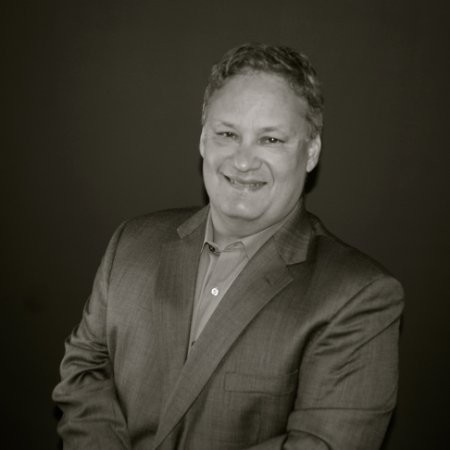
Tony Blank is the Senior Director of Regulatory Affairs at AtriCure. He is formerly the cofounder of Barton & Blank, a regulatory consulting firm specializing in providing strategic and tactical regulatory support for medical devices and combination products. Previously, Blank spent 12 years at Boston Scientific Corp. Under his leadership of the cardiovascular regulatory teams, Boston Scientific obtained numerous regulatory approvals for cardiovascular medical devices and combination products—among these being worldwide regulatory approvals for drug-eluting stents, implantable cardioverter defibrillators (ICD) and cardiac resynchronization therapy defibrillators (CRT-D), cardiac pacemakers and cardiac resynchronization therapy pacemakers (CRT-P), and detachable coils for peripheral embolization. Blank has been an active representative for the medical device industry and the regulatory profession on numerous policy issues working withAdvaMed®. Among these activities has been participation in numerous Industry Working Groups including the Pediatric Devices, Advertising and Promotion, and Reprocessing Working Groups (each of which he co-chaired).
Jennifer Bolton, Senior Fellow, Regulatory Affairs, Boston Scientific
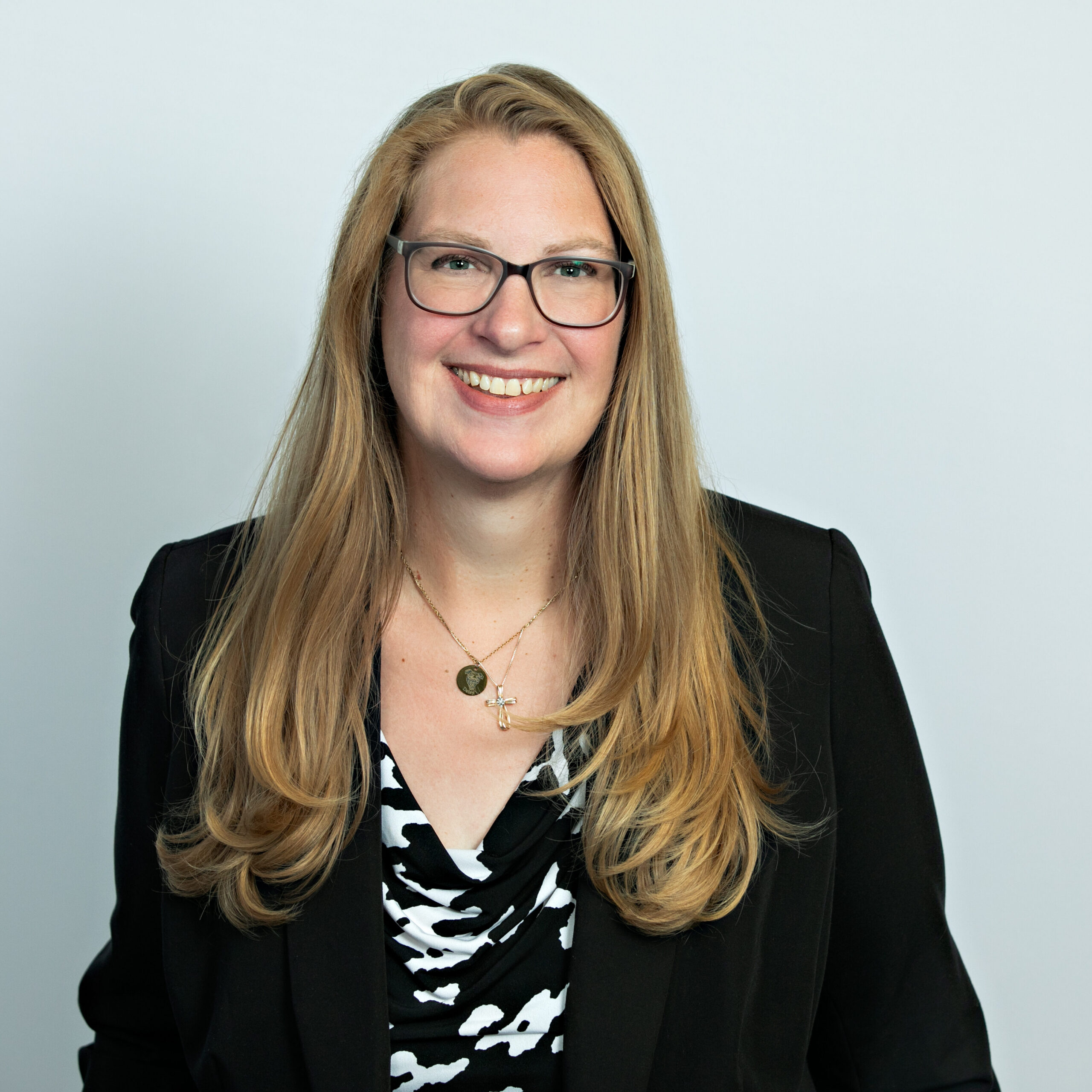
Jennifer Bolton is a Senior Fellow, Regulatory Affairs, at Boston Scientific Corporation. Boston Scientific is dedicated to transforming lives through innovative medical solutions that improve the health of patients around the world, specifically with less-invasive technologies engineered to diagnose and treat a wide range of medical conditions.
Jennifer has 30 years’ Regulatory experience. She’s led key market and clinical approvals for many cardiovascular and peripheral products including the ACURATE neo2 Aortic Valve System and the WATCHMAN Left Atrial Appendage Closure Device. She also works with integration projects, combination product projects, serves on the MDIC ENRICHMENT Industry Advisory Council, volunteers with a local Medtech Accelerator for early-stage start-ups, and is an Adjunct Instructor for the St. Cloud State University Regulatory Affairs and Services master’s program.
Jennifer has supported global strategies for some of Boston Scientific’s mechanical circulatory support devices, transcatheter aortic valves, left atrial appendage closure devices, drug-eluting stents, abdominal and thoracic aortic stent grafts, peripheral balloons/guidewires, and vascular surgery grafts/fabrics. Prior to Boston Scientific, Jennifer worked with orthopedic implants at US Medical Products (now Consensus Orthopedics).
Amrin Chowdhury, Health Scientist, FDA

Amrin Chowdhury is a Health Scientist in CDRH’s Office of Clinical Evidence and Analysis (OCEA) at FDA. She joined the FDA in 2022 serving as a Policy Analyst within OCEA and currently, a member of the CDRH Bioresearch Monitoring Program (BIMO). Her work in BIMO focuses on bioresearch monitoring review and directing inspection of Premarket applications, which can include Premarket Approval Applications (PMAs), Premarket Notifications (510ks), Humanitarian Device Exemptions (HDEs), and De Novos. Prior to joining the FDA, Amrin served roles as a Project Manager, Clinical Research Associate, and Data Manager for various Phase I – Phase III drug clinical trials across different organizations, including Foundation for the National Institutes of Health, Leidos Biomedical, Inc., and EMMES Corporation.
Amrin received a bachelor’s degree in biology from George Mason University and a master’s in health science from George Washington University.
Jemin Jay Dedania, Director of Regulatory Affairs, Hogan Lovells

Jemin Dedania assists clients with regulatory and policy issues, with a focus on U.S. Food and Drug Administration (FDA) medical device and combination product strategies. He advises medical technology companies on matters related to life cycle management, promotional issues, and compliance, and provides general advice on navigating FDA’s regulatory framework.
Jemin has worked with combination products and medical devices since completing his master’s thesis in biomedical engineering, in which he focused on novel growth factor technologies in bone healing. Upon graduating from the New Jersey Institute of Technology, he was a lead reviewer, and later a team lead, at FDA’s Center for Devices and Radiological Health in the Division of Orthopedic Devices (now the Office of Health Technology 6) for nearly eight years. He then transitioned to Stryker, where he served as a specialist and later manager in the Regulatory Affairs department. At Stryker, Jemin developed regulatory strategies for new product development projects, authored regulatory submissions, provided guidance on novel combination product submissions, interfaced with notified bodies, led advertising and promotion reviews, supported mergers and acquisition due diligence and integration efforts, and developed his staff.
He obtained his bachelor’s degree in biomedical engineering from the University of Tennessee, his master’s degree in the same field from the New Jersey Institute of Technology, and his MBA from Johns Hopkins Carey Business School.
Jemin maintains a Regulatory Affairs Certification (RAC) by the Regulatory Affairs Professional Society (RAPS). RAC is the only credential for regulatory professionals in the health care product sector.
Jake Dyer, Senior Regulatory Officer, FDA
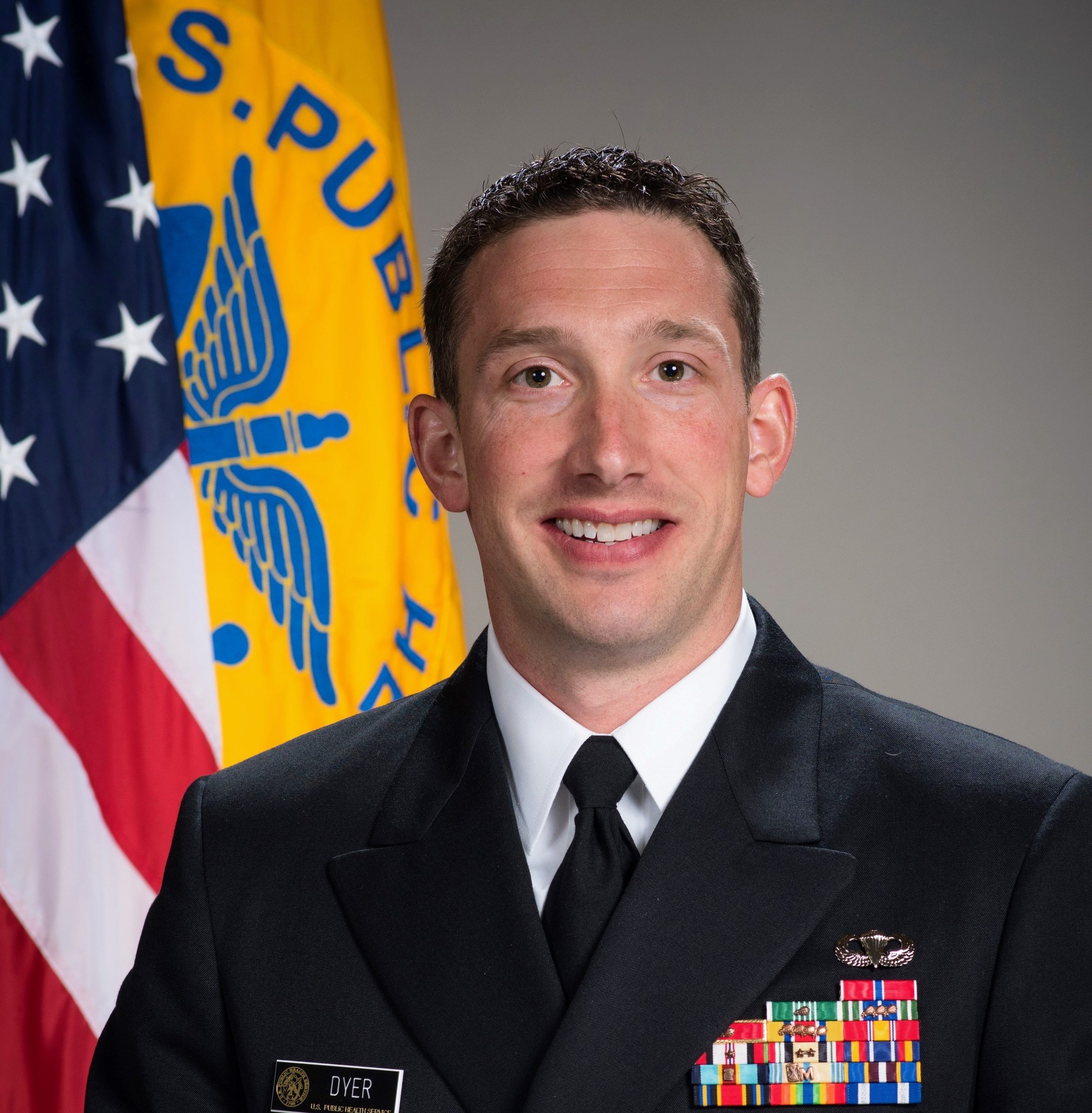
CDR Jake Dyer serves as a Senior Regulatory Officer within the Regulatory Inspections and Audits Team at the Center for Devices and Radiological Health (CDRH), Office of Regulatory Programs. In his current role as a Program Analyst and Assessor for the Medical Device Single Audit Program (MDSAP), he leads initiatives focused on the program’s development and implementation in collaboration with international regulatory authorities and industry stakeholders.
With over ten years of experience at the FDA, Jake began his tenure as a Medical Device Investigator. He is a licensed Professional Engineer and holds multiple certifications, including Lean Design for Six Sigma Black Belt, Project Management Professional (PMP), Certified Quality Engineer, Certified Quality Auditor, and Level 2 FDA Medical Device Investigator. CDR Dyer earned a Bachelor of Science in Mechanical Engineering and a Master of Science in Data Science.
Melissa Hall, Founder and Principal Consultant, Stratera Regulatory Consulting LLC
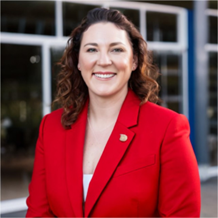
Melissa Hall is a seasoned regulatory affairs professional with over 12 years of experience specializing in U.S. Food and Drug Administration (FDA) regulation of medical devices. A former FDA reviewer, manager, policy analyst, and industry educator, she brings a deep, insider understanding of FDA expectations, regulatory pathways, and review dynamics.
In her current role as a regulatory consultant and strategic advisor, Melissa supports medical device companies in developing and executing effective regulatory strategies, preparing high-quality submissions, and engaging in clear, productive communication with the FDA. She is particularly valued for her ability to translate complex regulatory requirements into practical, risk-based solutions that facilitate efficient review and market access.
Melissa is an active member of the Regulatory Affairs Professionals Society (RAPS) and a frequent speaker at industry conferences, reflecting her ongoing commitment to regulatory education and professional development. She also serves as a regulatory advisor to multiple MedTech startups participating in accelerator and innovation programs. Her experience spans a broad range of device areas, including cardiovascular, orthopedic, spine, ENT, ophthalmology, dental, and medical imaging technologies.
Sally Maher, Founder, S Maher Consulting
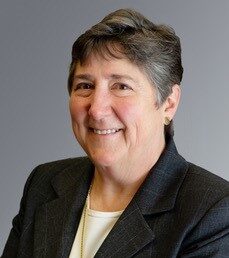
Sally Maher is the founder of the consulting group S Maher Consulting, a premier medical device consulting organization. Ms. Maher served on the Board of Directors for ACell Inc. Previously she served as the interim Chief Operating Officer for ACell Inc. Before that she was Vice President of Regulatory and Clinical Affairs at Edwards Lifesciences, Critical Care. She has more than 30 years of medical device and combination product experience in regulatory, clinical, reimbursement, healthcare compliance, and product development.
Prior to joining Edwards, Ms. Maher held various Senior Vice President roles at Smith & Nephew’s Advanced Surgical Products Division including: Regulatory and Clinical Affairs, Reimbursement and Healthcare Economics, Healthcare Compliance, Research and Development, and New Business Development. Prior to Smith & Nephew, Ms. Maher worked in regulatory, quality, and clinical roles for various organizations including Johnson & Johnson, Pfizer, and the US Food and Drug Administration. She received a bachelor’s degree from Ohio Wesleyan University, and a law degree from the University of Baltimore.
Jessica Ringel, FDA & Life Sciences Partner, King & Spalding
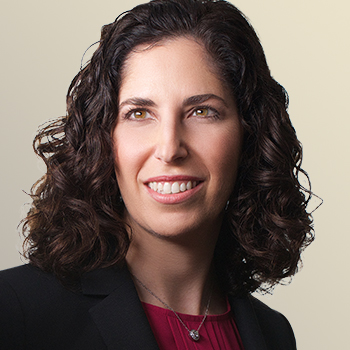
Jessica Ringel advises medical device and other life sciences manufacturers and distributors on matters spanning the entire FDA regulatory lifecycle. She advises clients on premarket regulatory strategy by assessing pathways to market, identifying predicate devices for 510(k) submissions, preparing q-submissions to receive FDA feedback, and assisting clients with the preparation and submission of marketing applications, including 510(k)s, De Novos, and PMAs. After clearance or approval of a device, Jessica advises clients on the full range of post-market compliance matters. She assists firms in preparing for and managing FDA inspections, responding to FDA-483s and Warning Letters, and implementing quality system corrective actions and remediation plans. Jessica also advises clients on product recall strategy and communications and adverse event reporting obligations. Jessica has also worked with multiple clients on the negotiation of, and operations under, consent decrees of injunction with FDA. She further assists life sciences firms with the review and development of compliant marketing strategies and materials. She assists clients with FDA-related import matters, including by responding to import detentions to obtain the release of products held by FDA. Jessica also advises companies that process and distribute human tissue-based products (HCT/Ps) and that manufacture and distribute electronic products subject to FDA’s electronic product radiation control program.
Jessica’s regulatory practice is supplemented by extensive experience conducting FDA regulatory due diligence evaluations of life sciences targets, assessing the regulatory compliance history, health, and risk of the target company. She further advises corporate transaction teams and clients by preparing and negotiating terms and provisions in purchase agreements related to FDA regulatory compliance.
Jeff Shapiro, Partner, King & Spalding

Jeff has 30 years’ experience in US medical device law and regulation. He counsels firms in regulatory strategy and filings, including presubmissions, clearances, approvals, breakthrough designations, and internal agency appeals. He helps firms develop a sound regulatory strategy for bringing their medical devices through US FDA review, to draft the relevant submissions, and to respond to FDA’s requests for information and data. When advising start-ups and mid-sized manufacturers, Jeffrey recognizes the business considerations involved in creating regulatory strategies and managing compliance. His mission is to bring companies through the FDA process as efficiently and expeditiously as possible. Jeffrey also counsels companies on post-market compliance, such as reporting to FDA, complying with the quality system regulation, labeling and advertising compliance, recalls, inspections, and warning letters, and he is an expert in FDA’s regulation of combination products (e.g., drug-device combinations).
Jeff is a national authority on FDA’s regulation of medical devices, combination products, and HCT/Ps. He actively contributes to industry conversations on FDA regulation of medical devices. He has published hundreds of articles on various topics relating to FDA’s regulation of medical devices.
He is a past member of the Editorial Advisory Board for both MDDI and Update magazines, co-editor of two textbooks, Promotion of Biomedical Products (Food and Drug Law Institute, 2006) and Combination Products, How to Develop the Optimal Strategic Path for Approval (FDA News 2005). He has contributed chapters to several textbooks, including Medical Devices Law and Regulation Answer Book (Practising Law Institute 2023 ed.).
Jeff was a Lecturer and Fischell Literati teaching the University of Maryland’s Regulatory Law: Medical Devices course. He has served on the Medical Devices and Diagnostics Committee, Food and Drug Law Institute.
Ken Skodacek, CDRH Deputy Ombudsman, FDA
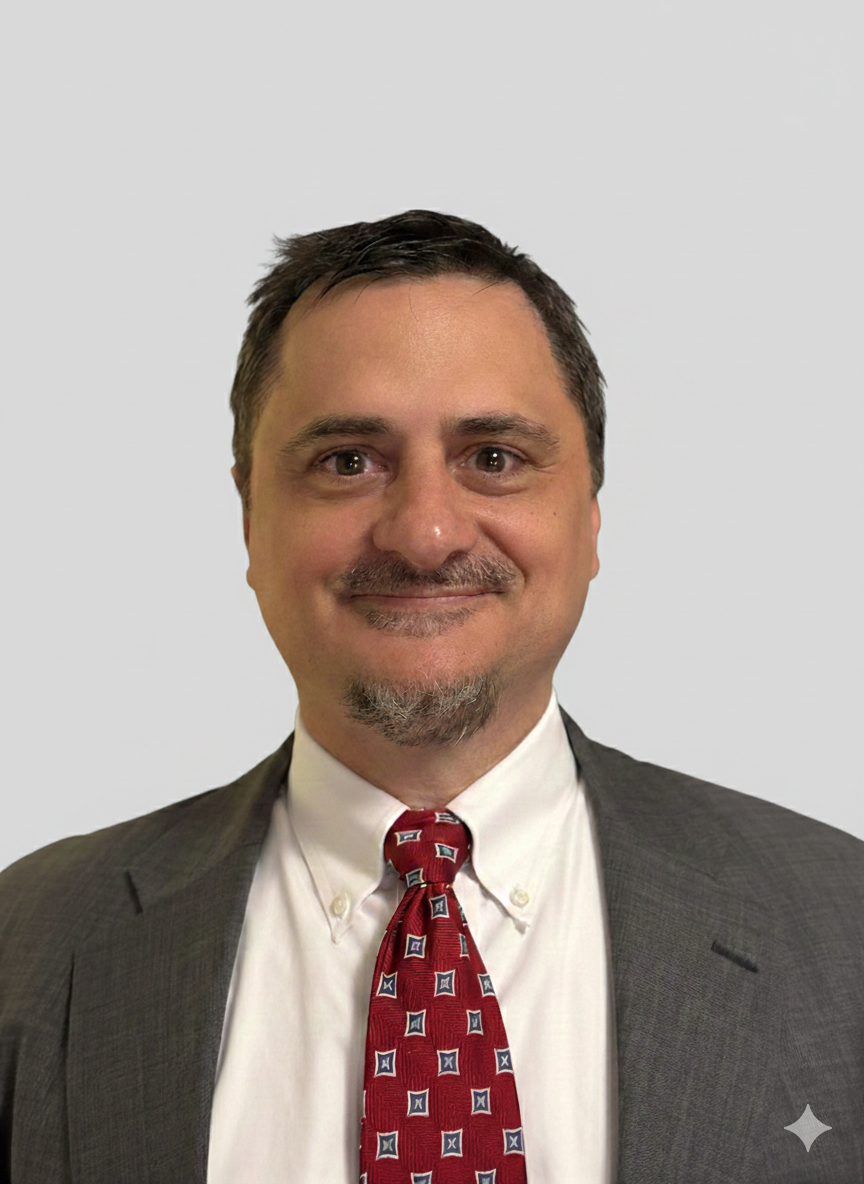
Ken Skodacek has served as the Deputy Ombudsman for nearly 8 years with the Food and Drug Administration’s Center for Devices and Radiological Health (CDRH). He provides a confidential, independent, and impartial resource for preventing conflicts and resolving scientific and regulatory disputes, both with and within CDRH. He also ensures fair and efficient processing of formal appeals consistent with statutory and regulatory requirements.
He is the co-curator of a course “for the ombuds curious” on Coursera — Ombudsman: A Unique Role in Dispute Resolution. The course offers a global overview of the many ombuds roles and models, how they function, the values they share, and how they support individuals, organizations, and governments across sectors and countries. It features diverse and personal perspectives from almost 150 practitioners and highlights the role of ombuds in a variety of contexts.
He first learned about COFO on October 11, 2018 – at the inaugural Ombuds Day event in Washington DC – and then attended his first COFO annual conference on the following day. The next year, he coordinated the 2nd annual Ombuds Day event, served as the COFO Liaison for Ombuds Day activities, and supported planning for COFO annual conference to “pay it forward” to other new ombuds. He has benefited from the COFO Mentoring Program as a mentee and has served as a mentor for the program. He supported the COFO Social Media Committee, which maintains a LinkedIn group for COFO. Separate from COFO, he has served as Co-Chair of the American Bar Association’s Ombuds Committee as well as Chair of the Ombuds Day Subcommittee. He is an active member of the United States Ombudsman Association, the American Bar Association’s Section of Dispute Resolution, and the Interagency Dispute Resolution Working Group. He established and maintains the Ombuds Day webpage and has been active in planning Ombuds Day related initiatives, including event programming and the Ombuds Day Proclamation Request-a-Thon every year since 2019.
Prior to his current role, he has led and supported multiple new initiatives within CDRH, with a focus on fulfilling strategic priorities for the organization to promote and protect the public health. He is also a founding member of the Center’s Payor Communications Task Force, which provided opportunities to improve patient access to innovative medical devices important to public health facilitating collaboration between manufacturers, payors, and healthcare technology assessment organizations. He has also led numerous training initiatives within the agency, including the Reviewer Certification Program and coursework on conflict resolution for new leaders.
Outside of his work at FDA, he supported the Health and Human Services (HHS) Innovation, Design, Entrepreneurship, and Action (IDEA) Lab for multiple years, serving as a coach and co-facilitator for the HHS Ignite Accelerator, which trained and supported staff developing and testing ideas to address difficult challenges. Some of his work was captured in Design Thinking for the Greater Good: Innovation in the Social Sector. He has received formal training in professional coaching, human-centered design, and mediation.
Before joining the federal sector, he worked for nearly 20 years as a biomedical and electrical engineer in the medical device industry. He held several leadership roles, focusing on the technical and clinical interface between companies, healthcare providers, and patients. His expertise spans the entire product lifecycle, from the initial design concept to successful product launches in both U.S. and international markets.
Find and follow him on LinkedIn.
Anne Talley, Chemical Engineer, FDA
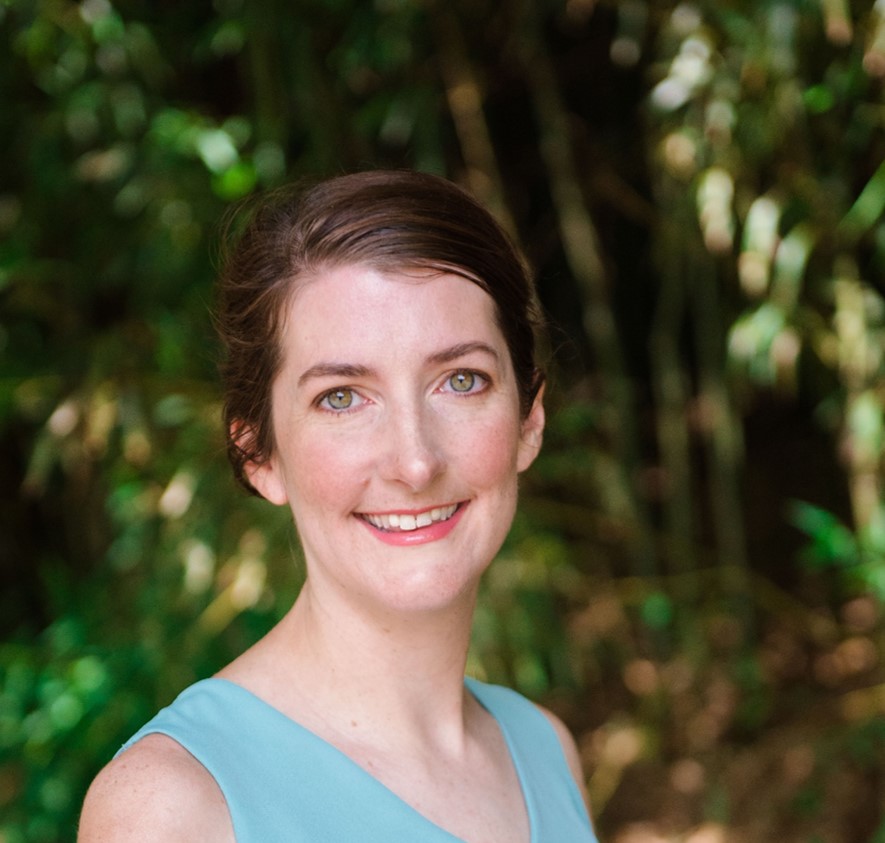
Anne Talley is a Chemical Engineer in the Division of Clinical Policy and Quality within the Office of Clinical Evidence and Analysis (OCEA) in the Center for Devices and Radiological Health (CDRH) at FDA. Anne has over 7 years of experience at FDA, both as a Lead Reviewer/Team Lead in the Office of Orthopedic Devices (OHT6) and within OCEA.
Blake Wilson, Partner, Global Regulatory, Hogan Lovells

Blake Wilson helps medical device, drug, and biologic companies successfully navigate FDA’s evolving regulatory landscape. With a focus on premarket submissions and clinical trial design and conduct, Blake helps sponsors plan their product development strategy and minimize regulatory risks.
When advising companies, Blake draws on years of experience practicing in front of the FDA. He has assisted clients across a wide range of submissions (e.g., presubmissions, investigational products, combination products, humanitarian/orphan products, marketing applications, breakthrough requests) with a focus on novel treatments . When feedback from the agency is needed, Blake helps sponsors craft a well-tailored regulatory strategy and is effective at presenting the plan to FDA. He also prepares sponsors for advisory panel hearings.
Leveraging his prior experience in clinical research and biostatistics, Blake advises sponsors on study design considerations and reporting study outcomes. By stress testing clinical evidence through the lens of an FDA reviewer, Blake helps sponsors avoid pitfalls that can delay or derail a project. He also prepares sponsors for FDA Bioresearch Monitoring (BIMO) audits, and can host the inspection. Whether crafting a regulatory strategy, preparing a submission, or negotiation a solution with the agency, Blake provides technical acumen and creativity to help companies achieve their goals.
Blake also advises on due diligence and other corporate matters related to medical products (e.g., mergers and acquisitions). He also assists companies with compliance challenges, including government and internal investigations, and 483 and Warning Letter responses.
While at Penn Law, Blake was an executive editor for the Journal of International Law and published a comment regarding the use of foreign clinical trials in the FDA’s drug marketing approval process. He also served as a judicial intern to the Honorable Leonard P. Stark of the U.S. District Court for the District of Delaware. Prior to becoming a lawyer, Blake was a lead research assistant at Brown University, where he managed phase I and II pharmaceutical clinical trials; he later went on to obtain a master’s degree in biostatistics from Columbia University.
Peter Yang, De Novo Program Lead, FDA
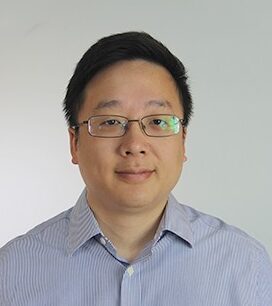
Peter Yang currently serves as the program lead for the De Novo Program within the Office of Regulatory Programs, Office of Product Evaluation and Quality at the Center for Devices and Radiological Health (CDRH) at the Food and Drug Administration (FDA). As the De Novo Program Lead, he oversees the program and provides scientific and regulatory oversight for all De Novo requests across the Center. Before becoming the program lead, Peter was a policy analyst within the De Novo Program for four years. He started his FDA career first as an ORISE postdoc and then as a medical device reviewer in the Division of Surgical Devices.
Peter’s background is in bioengineering – specifically tissue engineering and regenerative medicine, and more specifically tendon/ligament tissue engineering. He obtained his PhD from Georgia Tech in 2011.
510(k) & De Novo | Tuesday, February 9 – Wednesday, February 10
FDA and industry experts will provide practical guidance on navigating the 510(k) and De Novo submission pathways. Through real-world case studies, interactive discussions, and expert insights, attendees will explore FDA regulations, submission strategies, and the review process. Designed for professionals at every experience level, from first-time submitters to seasoned regulatory practitioners, this workshop will cover:
- FDA regulations and requirements for 510(k) and De Novo submissions
- Developing an effective submission strategy
- Key components of successful submissions
- Understanding the FDA review process
- Common submission challenges and best practices for navigating them
IDE Submissions Workshop | Wednesday, February 17
FDA and industry experts will share the guidelines governing when an investigational device exemption is required. Experts will review the purpose of an IDE, share tips for making the best use of pre-submission meetings, break down the components of an IDE submission and more. This workshop will cover:
- The purpose of an IDE
- Components of a successful IDE submission
- Common errors and deficiencies in an IDE application
- Optimizing the pre-submission meeting
PMA Submissions Workshop | Tuesday, February 23 – Wednesday, February 24
Using real-world case studies, this workshop will walk you through the practical steps of filing a PMA and offer you actionable insights on how to best navigate the PMA submission process. steps required, best practices and preparation for inspection will be covered throughout this workshop. This workshop will cover:
- Management of approved PMAs
- Steps to develop a PMA submission strategy
- Preparation needed for an advisory panel meeting
- Tips to prepare for an inspection
- How to deal with unexpected clinical outcomes, animal test results and adverse panel recommendations
RAPS Approved Provider
AdvaMed® is a RAPS Approved Provider. This educational program meets the RAC recertification requirements to maintain the credential. For more information about the RAC, visit www.raps.org/rac.
Credit: The IDE Workshop has been approved for up to 6 RAC recertification credits for attendees.
Registration Rates
AdvaMed® members receive the best rates so check to see if your company is a member here.
Maximize your learning and your savings. Receive a 10% discount when you register for 2 workshops or a 20% discount when you register for all 3 workshops in the series.
510(k) & De Novo Workshop
- AdvaMed Accel Start-Ups (Revenue 1 – $100M): $600
- AdvaMed Emerging Medtech Member (Revenue 1 – $100M): $600
- AdvaMed Large Medtech Member (Revenue > $100M): $1,300
- Non-Member: $1,600
- Academic: $600
- Gov’t/Non-Profit: $600
IDE Workshop
- AdvaMed Accel Start-Ups (Revenue 1 – $100M): $500
- AdvaMed Emerging Medtech Member (Revenue 1 – $100M): $500
- AdvaMed Large Medtech Member (Revenue > $100M): $700
- Non-Member: $900
- Academic: $500
- Gov’t/Non-Profit: $500
PMA Workshop
- AdvaMed Accel Start-Ups (Revenue 1 – $100M): $600
- AdvaMed Emerging Medtech Member (Revenue 1 – $100M): $600
- AdvaMed Large Medtech Member (Revenue > $100M): $1,300
- Non-Member: $1,600
- Academic: $600
- Gov’t/Non-Profit: $600
Hear From Us
Sign up to receive emails highlighting our upcoming events, early registration savings, and engagement opportunities for the medical technology community.