
Receive expert guidance to navigate every stage of the 510(k) & De Novo, IDE, and PMA submissions pathways.
510(k) & De Novo: Tuesday, February 9 – Wednesday, February 10, 2027
IDE: Wednesday, February 17, 2027
PMA: Tuesday, February 23 – Wednesday, February 24, 2027
AdvaMed Medical Device Submission Workshop Series
AdvaMed Medical Device Submission Workshop Series
AdvaMed’s Medical Device Submissions Series connects regulatory, clinical, and product teams with FDA experts and senior industry practitioners across three separate workshops covering the 510(k) & De Novo, IDE, and PMA pathways. Each workshop combines real case studies, interactive sessions, and authoritative guidance on what it takes to get submissions right.
The series begins with the 510(k) & De Novo Workshop from February 9-10, 2027 designed for professionals across the full regulatory team. Attendees gain an in-depth look at FDA regulations, submission strategy, and the review process designed for professionals at every experience level, from first-time submitters to seasoned practitioners. The IDE Workshop on February 17 and the PMA Workshop, February 23-24 follow, providing comprehensive coverage across every major FDA premarket pathway. Whether your organization is navigating a first submission or managing an active one, each workshop delivers the same combination of FDA access, real case scenarios, and senior industry expertise.
Attend the session most relevant to your organization, or register for multiple workshops to strengthen your regulatory submissions foundational knowledge.
Register now and receive a discount for attending multiple workshops.
Key Takeaways from the Workshop Series
These are the themes attendees consistently identify as most critical to their work and will serve as the foundation of the 2027 program.
- Regulatory pathway selection is foundational.
- Understanding when to pursue a traditional, special, abbreviated 510(k), or a De Novo—and how each aligns with device risk, novelty, and predicate availability—is critical to regulatory success.
- Early strategy and planning reduce downstream risk.
- Strong predicate selection, use of FDA guidance, pre-submission meetings, and awareness of programs like Breakthrough Devices and Safer Technologies can significantly streamline review.
- Well-prepared submissions matter as much as strong data.
- Clear organization, proper use of eSTAR, and alignment with FDA expectations help avoid Refuse-to-Accept (RTA) issues and unnecessary delays.
- Clearance is the beginning, not the end.
- Post-clearance responsibilities—including promotional compliance, MDRs, device modifications, and knowing when a new 510(k) is required—are essential to lifecycle management, especially for De Novo devices that become future predicates.
- Knowing when an IDE is required shapes the entire clinical strategy.
- Understanding IDE applicability, sponsor and investigator roles, and how to determine whether a study meets the threshold for exemption is foundational to building a compliant clinical program.
- A strong IDE application is built before the application is written.
- Preclinical testing strategy, risk analysis, and early pre-submission meetings with FDA are the factors that most consistently separate approvals from deficiency letters.
- Compliance during study conduct is as consequential as the application itself.
- Adverse event reporting, protocol deviations, BIMO inspection readiness, and sponsor and investigator recordkeeping obligations continue throughout the study — gaps here put the entire submission program at risk.
- Understanding the PMA standard before development begins changes everything downstream.
- FDA’s standards of evidence and review, panel likelihood, and realistic cost and timeline expectations must inform product development — not be discovered during submission.
- Submission strategy and clinical strategy must be developed together.
- Product definition, patient population, desired claims, and testing requirements are connected decisions misalignment between them is one of the most common sources of PMA delay.
- Approval is the start of a long-term regulatory relationship.
- Periodic reports, supplemental submissions, post-approval studies, and pre-approval inspections are all part of managing an approved PMA — and the obligations begin the day the approval letter arrives.
Medical Device Submissions FAQs
What are the different types of 510(k)s, and how do I know which one to use?
There are three types: traditional, special, and abbreviated — each with different eligibility criteria and review implications. Choosing the wrong type adds unnecessary burden or delay. The workshop’s Law and Regulations session covers all three, when each applies, and how bundling multiple modifications works in practice.
How do I select the right predicate device for my 510(k)?
A valid predicate must be legally marketed and comparable in intended use and technological characteristics — and a weak choice can undermine an otherwise strong submission. Granted De Novo devices can also serve as predicates, which carries significant strategic implications. The workshop covers predicate selection in the Planning and Submission Preparation sessions.
What are the most common reasons PMA submissions are delayed?
PMA delays most often stem from misalignment between clinical and submission strategy — insufficient clinical data, unclear benefit-risk framing, and documentation that doesn’t meet FDA’s presentation expectations. The workshop covers each of these risk areas, including how to use early FDA interactions and pre-submission meetings to reduce the likelihood of major review issues.
What is a BIMO inspection and how should sponsors prepare?
A BIMO inspection is an FDA audit of clinical investigators, sponsors, or IRBs used to verify the integrity of clinical data submitted in a premarket application. The workshop includes a dedicated session led by an active FDA BIMO health scientist covering when inspections occur, what investigators typically observe, and how to minimize findings.
What is eSTAR and do I have to use it?
eSTAR is FDA’s mandatory electronic submission template for most 510(k)s, structuring content in a way that aligns directly with the agency’s review process. Submitting outside of eSTAR where it’s required will trigger a Refuse to Accept. The workshop’s Submission Preparation session covers how eSTAR is organized
What should I expect during the PMA review process?
FDA will interact with sponsors through questions, major deficiency letters, Day 100 meetings, and labeling review and some PMAs are referred to an advisory panel. The workshop covers the full review process from submission through approval, including what each type of FDA communication means and how to respond effectively.
How do I know if my clinical study requires an IDE?
An IDE is required when a significant risk device is to be studied in human subjects and the study is not otherwise exempt. Determining IDE applicability depends on the device’s risk classification, the nature of the study, and whether an exemption applies.
AdvaMed® is a RAPS Approved Provider. This educational program meets the RAC recertification requirements to maintain the credential. For more information about the RAC, visit www.raps.org/rac.
Why Attend
FDA’s submission requirements don’t stand still and neither can the teams responsible for navigating them. The Submissions Workshop series is built for regulatory professionals who need to move beyond the guidance documents and into practice.
The 2027 program focuses on how submission decisions actually get made by industry teams building the strategy, preparing the package, and managing the review — and by FDA staff evaluating it on the other side.
View the 2027 510(k) and De Novo program below
*Schedule as of 6/24/2026
| Session | Session Description |
|---|---|
| The Law and Regulations | – 510(k) definition – 510 and 513 FDCA – Guidance for 510(k): general & product specific – How to find it – How to use it – Different types of 510(k)s; which to use – Review of bundling 510(k)s – FDA Product Codes – Activity |
| 510(k) Strategy and Planning | – Staff involved – Role of each function – RA responsibilities – Use of guidance Global considerations – Pre-submissions – Predicates – Breakthrough Devices Program – Safer Technologies Program |
| Preparing the Submission | – General information including how to select a predicate device – Assembling the 510(k) – eSTAR |
| The FDA Review Process | – How it works at FDA – FDA/industry interactions – Refuse to Accept – Submission Issue meetings – FDA holds Interactive review – Least Burdensome flag – Current pilots |
| CDRH Ombudsman Program | – Confidential, independent, impartial resource for resolving disputes – Formal appeals process (21 CFR 10.75) |
| Clearance: Launch and After | – What clearance does and does not mean – Promotional practices for 510(k) devices – FDA – FTC – Complaint Handling and MDRs – When to File a New 510(k) for Device Modifications – Catch-up 510(k)s |
| De Novo | – Definition of a De Novo – Final Rule on De Novo – When De Novo is used – Differentiation from 510(k) |
| Regulatory Strategy for De Novo | – Key eligibility criteria – Benefit-risk analysis |
| Preparing the De Novo Submission | – Content – Assembling the submission |
| FDA Review Process for De Novo | – Use of pre-submission meeting – Rationale for De Novo – Clinical Protocols – Special Controls Benefit-Risk Considerations |
| Maintenance of a Granted De Novo | – Post-market requirements – Classification Order De Novo database – Granting order, decision summary – Use as a predicate – Making changes to granted De Novo device |
| Applied Learning and Breakout Discussions | – 510(k) & De Novo Recap – Facilitated Breakout Group Deep Dive – Hypothetical Case Studies & Key Takeaways – Regroup for Q&A |
Speakers
The Submissions Workshop series will bring together top FDA and industry experts in regulatory policy. View last year’s lineup of speakers below for a preview of who you can expect to see in 2027.
Tony Blank, Senior Director of Regulatory Affairs, AtriCure
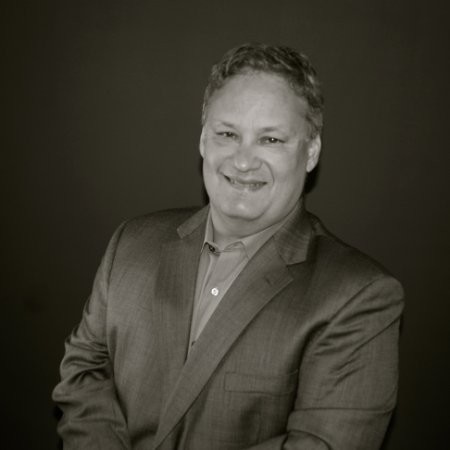
Tony Blank is the Senior Director of Regulatory Affairs at AtriCure. He is formerly the cofounder of Barton & Blank, a regulatory consulting firm specializing in providing strategic and tactical regulatory support for medical devices and combination products. Previously, Blank spent 12 years at Boston Scientific Corp. Under his leadership of the cardiovascular regulatory teams, Boston Scientific obtained numerous regulatory approvals for cardiovascular medical devices and combination products—among these being worldwide regulatory approvals for drug-eluting stents, implantable cardioverter defibrillators (ICD) and cardiac resynchronization therapy defibrillators (CRT-D), cardiac pacemakers and cardiac resynchronization therapy pacemakers (CRT-P), and detachable coils for peripheral embolization. Blank has been an active representative for the medical device industry and the regulatory profession on numerous policy issues working withAdvaMed®. Among these activities has been participation in numerous Industry Working Groups including the Pediatric Devices, Advertising and Promotion, and Reprocessing Working Groups (each of which he co-chaired).
Jemin Jay Dedania, Senior Director of Regulatory Affairs and Compliance at NEST, MDIC

Jemin Dedania assists clients with regulatory and policy issues, with a focus on U.S. Food and Drug Administration (FDA) medical device and combination product strategies. He advises medical technology companies on matters related to life cycle management, promotional issues, and compliance, and provides general advice on navigating FDA’s regulatory framework.
Jemin has worked with combination products and medical devices since completing his master’s thesis in biomedical engineering, in which he focused on novel growth factor technologies in bone healing. Upon graduating from the New Jersey Institute of Technology, he was a lead reviewer, and later a team lead, at FDA’s Center for Devices and Radiological Health in the Division of Orthopedic Devices (now the Office of Health Technology 6) for nearly eight years. He then transitioned to Stryker, where he served as a specialist and later manager in the Regulatory Affairs department. At Stryker, Jemin developed regulatory strategies for new product development projects, authored regulatory submissions, provided guidance on novel combination product submissions, interfaced with notified bodies, led advertising and promotion reviews, supported mergers and acquisition due diligence and integration efforts, and developed his staff.
Melissa Hall, Founder and Principal Consultant, Statera Regulatory Consulting LLC
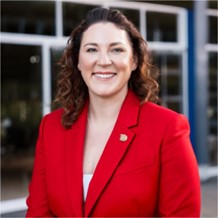
Melissa Hall is a seasoned regulatory affairs professional with over 12 years of experience specializing in U.S. Food and Drug Administration (FDA) regulation of medical devices. A former FDA reviewer, manager, policy analyst, and industry educator, she brings a deep, insider understanding of FDA expectations, regulatory pathways, and review dynamics.
In her current role as a regulatory consultant and strategic advisor, Melissa supports medical device companies in developing and executing effective regulatory strategies, preparing high-quality submissions, and engaging in clear, productive communication with the FDA. She is particularly valued for her ability to translate complex regulatory requirements into practical, risk-based solutions that facilitate efficient review and market access.
Ginny Hu, Director, Regulatory Affairs, Dexcom

Ginny leads the RA team for digital health regulatory affairs efforts for software based products and solutions at Dexcom, including US/OUS software, data platform, APIs and data product regulatory classification, registration/approval and sustaining. Ginny’s RA team also manages partnerships and cybersecurity regulatory efforts. Her team continues to support all regulatory activities, including US/OUS regulatory pathway, breakthrough device designation, IDE, Q-subs and 510(k) submissions associated with Dexcom’s New Market initiatives.
Sally Maher, Regulatory Consultant, Sally Maher Consulting
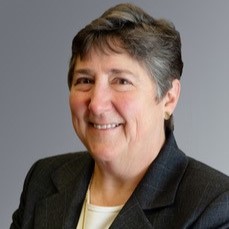
Sally Maher is the founder of the consulting group S Maher Consulting, a premier medical device consulting organization. Ms. Maher served on the Board of Directors for ACell Inc. Previously she served as the interim Chief Operating Officer for ACell Inc. Before that she was Vice President of Regulatory and Clinical Affairs at Edwards Lifesciences, Critical Care. She has more than 30 years of medical device and combination product experience in regulatory, clinical, reimbursement, healthcare compliance, and product development.
Sapana Patel, Policy Analyst, FDA
Jessica Ringel, Partner, King & Spalding
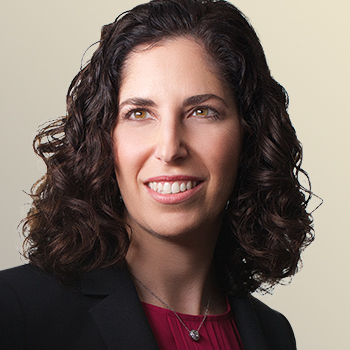
Jessica Ringel advises medical device and other life sciences manufacturers and distributors on matters spanning the entire FDA regulatory lifecycle. She advises clients on premarket regulatory strategy by assessing pathways to market, identifying predicate devices for 510(k) submissions, preparing q-submissions to receive FDA feedback, and assisting clients with the preparation and submission of marketing applications, including 510(k)s, De Novos, and PMAs. After clearance or approval of a device, Jessica advises clients on the full range of post-market compliance matters. She assists firms in preparing for and managing FDA inspections, responding to FDA-483s and Warning Letters, and implementing quality system corrective actions and remediation plans.
Jessica also advises clients on product recall strategy and communications and adverse event reporting obligations. Jessica has also worked with multiple clients on the negotiation of, and operations under, consent decrees of injunction with FDA. She further assists life sciences firms with the review and development of compliant marketing strategies and materials. She assists clients with FDA-related import matters, including by responding to import detentions to obtain the release of products held by FDA. Jessica also advises companies that process and distribute human tissue-based products (HCT/Ps) and that manufacture and distribute electronic products subject to FDA’s electronic product radiation control program.
Ken Skodacek, CDRH Deputy Ombudsman, FDA
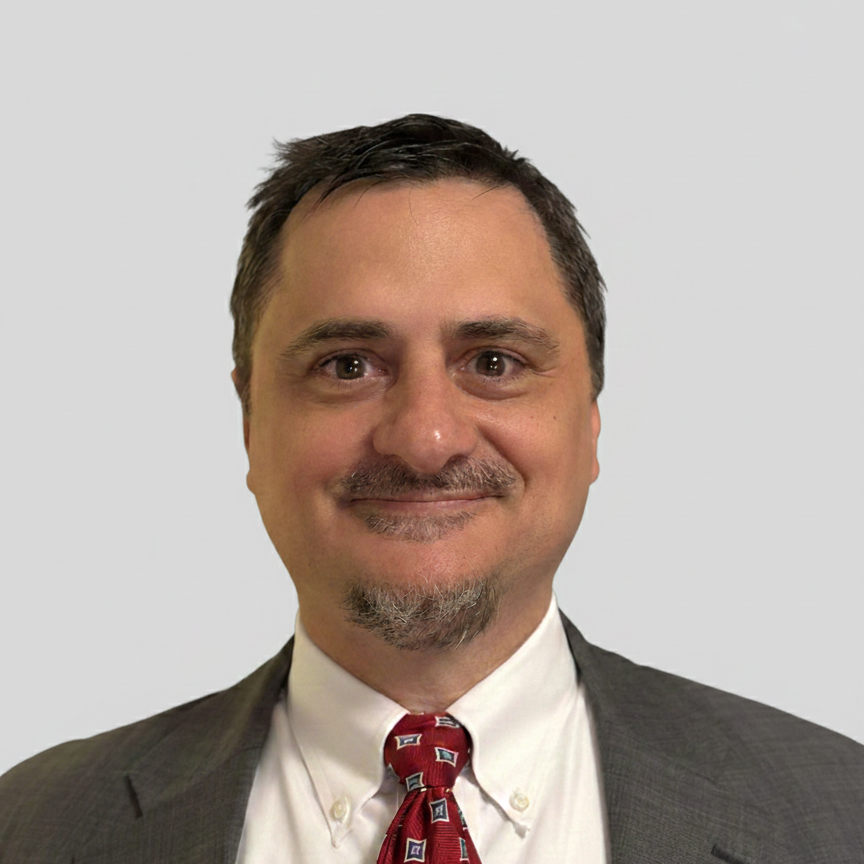
Ken Skodacek has served as the Deputy Ombudsman for nearly 8 years with the Food and Drug Administration’s Center for Devices and Radiological Health (CDRH). He provides a confidential, independent, and impartial resource for preventing conflicts and resolving scientific and regulatory disputes, both with and within CDRH. He also ensures fair and efficient processing of formal appeals consistent with statutory and regulatory requirements.
He is the co-curator of a course “for the ombuds curious” on Coursera — Ombudsman: A Unique Role in Dispute Resolution. The course offers a global overview of the many ombuds roles and models, how they function, the values they share, and how they support individuals, organizations, and governments across sectors and countries. It features diverse and personal perspectives from almost 150 practitioners and highlights the role of ombuds in a variety of contexts.
He first learned about COFO on October 11, 2018 – at the inaugural Ombuds Day event in Washington DC – and then attended his first COFO annual conference on the following day. The next year, he coordinated the 2nd annual Ombuds Day event, served as the COFO Liaison for Ombuds Day activities, and supported planning for COFO annual conference to “pay it forward” to other new ombuds. He has benefited from the COFO Mentoring Program as a mentee and has served as a mentor for the program. He supported the COFO Social Media Committee, which maintains a LinkedIn group for COFO. Separate from COFO, he has served as Co-Chair of the American Bar Association’s Ombuds Committee as well as Chair of the Ombuds Day Subcommittee. He is an active member of the United States Ombudsman Association, the American Bar Association’s Section of Dispute Resolution, and the Interagency Dispute Resolution Working Group. He established and maintains the Ombuds Day webpage and has been active in planning Ombuds Day related initiatives, including event programming and the Ombuds Day Proclamation Request-a-Thon every year since 2019.
Prior to his current role, he has led and supported multiple new initiatives within CDRH, with a focus on fulfilling strategic priorities for the organization to promote and protect the public health. He is also a founding member of the Center’s Payor Communications Task Force, which provided opportunities to improve patient access to innovative medical devices important to public health facilitating collaboration between manufacturers, payors, and healthcare technology assessment organizations. He has also led numerous training initiatives within the agency, including the Reviewer Certification Program and coursework on conflict resolution for new leaders.
Outside of his work at FDA, he supported the Health and Human Services (HHS) Innovation, Design, Entrepreneurship, and Action (IDEA) Lab for multiple years, serving as a coach and co-facilitator for the HHS Ignite Accelerator, which trained and supported staff developing and testing ideas to address difficult challenges. Some of his work was captured in Design Thinking for the Greater Good: Innovation in the Social Sector. He has received formal training in professional coaching, human-centered design, and mediation.
Before joining the federal sector, he worked for nearly 20 years as a biomedical and electrical engineer in the medical device industry. He held several leadership roles, focusing on the technical and clinical interface between companies, healthcare providers, and patients. His expertise spans the entire product lifecycle, from the initial design concept to successful product launches in both U.S. and international markets.
Find and follow him on LinkedIn.
Peter Yang, De Novo Program Lead, FDA

Peter Yang currently serves as the program lead for the De Novo Program within the Office of Regulatory Programs, Office of Product Evaluation and Quality at the Center for Devices and Radiological Health (CDRH) at the Food and Drug Administration (FDA). As the De Novo Program Lead, he oversees the program and provides scientific and regulatory oversight for all De Novo requests across the Center. Before becoming the program lead, Peter was a policy analyst within the De Novo Program for four years. He started his FDA career first as an ORISE postdoc and then as a medical device reviewer in the Division of Surgical Devices.
Peter’s background is in bioengineering – specifically tissue engineering and regenerative medicine, and more specifically tendon/ligament tissue engineering. He obtained his PhD from Georgia Tech in 2011.
Explore the other workshops in AdvaMed’s Submissions series covering the IDE and PMA submissions pathways.
IDE Submissions Workshop | Wednesday, February 17
FDA and industry experts will share the guidelines governing when an investigational device exemption is required. Experts will review the purpose of an IDE, share tips for making the best use of pre-submission meetings, break down the components of an IDE submission and more. This workshop will cover:
- The purpose of an IDE
- Components of a successful IDE submission
- Common errors and deficiencies in an IDE application
- Optimizing the pre-submission meeting
PMA Submissions Workshop | Tuesday, February 23 – Wednesday, February 24
Using real-world case studies, this workshop will walk you through the practical steps of filing a PMA and offer you actionable insights on how to best navigate the PMA submission process. steps required, best practices and preparation for inspection will be covered throughout this workshop. This workshop will cover:
- Management of approved PMAs
- Steps to develop a PMA submission strategy
- Preparation needed for an advisory panel meeting
- Tips to prepare for an inspection
- How to deal with unexpected clinical outcomes, animal test results and adverse panel recommendations
RAPS Approved Provider
AdvaMed® is a RAPS Approved Provider. This educational program meets the RAC recertification requirements to maintain the credential. For more information about the RAC, visit www.raps.org/rac.
The 510(k) & De Novo and PMA Workshops have been approved for up to 12 RAC certification credits. The IDE Workshop has been approved for up to 6 RAC certification credits.
Hear From Us
Sign up to receive emails highlighting our upcoming events, early registration savings, and engagement opportunities for the medical technology community.